Skip to content
GETS · UEM · Maringá, Brazil

GETS — Group for Studies in Digital Technologies and Health Geoprocessing

Spatial epidemiology, artificial intelligence, and digital health at the State University of Maringá.

185Publications
1,297Citations
46Researchers
2017Since
01ABOUT GETS

Who we are

Intelligent technologies and spatial analysis to transform decisions in health.

GETS brings together faculty, researchers, and students working in health data science, spatial epidemiology, technological innovation, and the analysis of care systems. Our work combines quantitative methods, artificial intelligence, geoprocessing, and the development of solutions aimed at improving access, care quality, and decision-making in health.

See the full history →
01 — Our Mission
To produce and apply excellent scientific and technological knowledge by integrating artificial intelligence, geotechnologies, data science, and health innovation — improving decision-making, expanding access to health services, and contributing to better quality of care, especially within Brazil's Unified Health System (SUS).
02 — Vision
To use data for decision-making, strengthening care across different health settings with the most advanced technology available.
03 — Collaboration
We work as a network, bringing together different fields, institutions, and people to solve real health challenges.
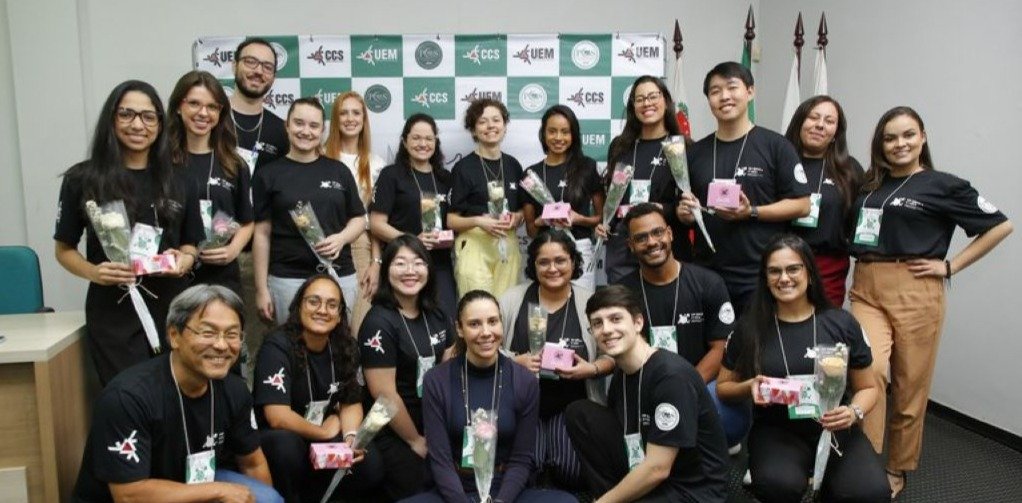
The GETS team together in a corridor at the State University of Maringá, April 2025
About us →
Team · UEM · April 2025
2017founded · State University of Maringá
02RESEARCH AREAS

Research with applied impact

At GETS, research doesn't end at publication. Our studies aim to generate evidence useful for practice, inform public policy, support health planning, and guide the development of technology solutions with real-world potential.

9 lines of research · Paraná, Brazil, and international cooperation

  1. Solutions to optimize patient referral, reduce care delays, and support clinical and organizational decision-making across care networks.

    Public Health · Accessibility · Management

  2. We investigate spatial and space-time patterns of disease, health conditions, access to services, and health inequalities.

    Geoprocessing · Epidemiology · Territorial Analysis

  3. Developing models and analyses to optimize care networks, evaluate performance, and support data-driven management.

    Public Health · Accessibility · Management

  4. Creating and validating digital tools, intelligent systems, and innovative strategies to expand access, improve care quality, and boost service efficiency.

    Public Health · Accessibility · Management

  5. We develop predictive models, decision-support systems, and analytical approaches driven by clinical and population data.

    Machine Learning · Deep Learning · Data Science

  6. Analysis of territorial inequalities and identification of priority areas to inform planning, resource allocation, and public policy.

    Planning · Geoprocessing · Spatial Analysis

  7. We build and evaluate technology solutions — apps, dashboards, intelligent systems, and digital strategies — applied to care and management.

    e-Health · Telehealth · Innovation

  8. We analyze care pathways, coverage, accessibility, and the organization of care networks, focused on efficiency and equity.

    Public Health · Accessibility · Management

  9. Applying analytical intelligence and digital health to improve care pathways, response time, and operational efficiency.

    e-Health · Telehealth · Innovation

03Projects

Research questions that became working systems

All projects →
Local DEA: telas reais do aplicativo em dispositivos
Featured project

App · out-of-hospital cardiac arrest

Local DEA

An app that finds the nearest automated external defibrillator (AED) and plots a walking, cycling, or driving route from the victim's location, while also guiding CPR and calling emergency services (SAMU) directly from the screen. Developed at UEM's Department of Medicine and registered with Brazil's patent and software office (INPI).

Status
Live
Period
2022 – present
Registration
INPI BR 51 2022 002300-8
DOI
10.1371/journal.pone.0318065
View project →
04PUBLICATIONS

Scientific output

Our output covers spatial epidemiology, health services research, applied artificial intelligence, and technological innovation in health. We aim to combine methodological rigor, practical relevance, and a contribution to evidence-based decision-making.

Research by GETS members, including work published before the group was founded in 2017. Citations cover the works indexed in Crossref.

1,297citations
Crossref · 2009–2026
185
publications
170
with DOI
121
CC license
See All Publications →
05OUR TEAM

Meet the people behind GETS

GETS is a multidisciplinary team working across health, technology, spatial analysis, epidemiology, and innovation. That range of expertise strengthens the group’s ability to build projects that are scientifically robust and socially relevant.

53 researchers
17 institutions · 5 coordinators

Researchers and students

View the full team →
06PARTNERSHIPS

Partnerships and Collaborations

We develop projects in collaboration with academic institutions, health services, and national and international research networks. We believe complex health problems demand the integration of science, technology, and practice.

Maringá −23.42 · −51.93 ⟷ Durham, NC 35.99 · −78.90

Geodesic arc between Maringá (UEM) and Durham (Duke University) over the real outlines of the countries

Partners

Affiliated with

  • UEM - Universidade Estadual de Maringá
  • PCS - Programa de Pós-Graduação em Ciências da Saúde (UEM)
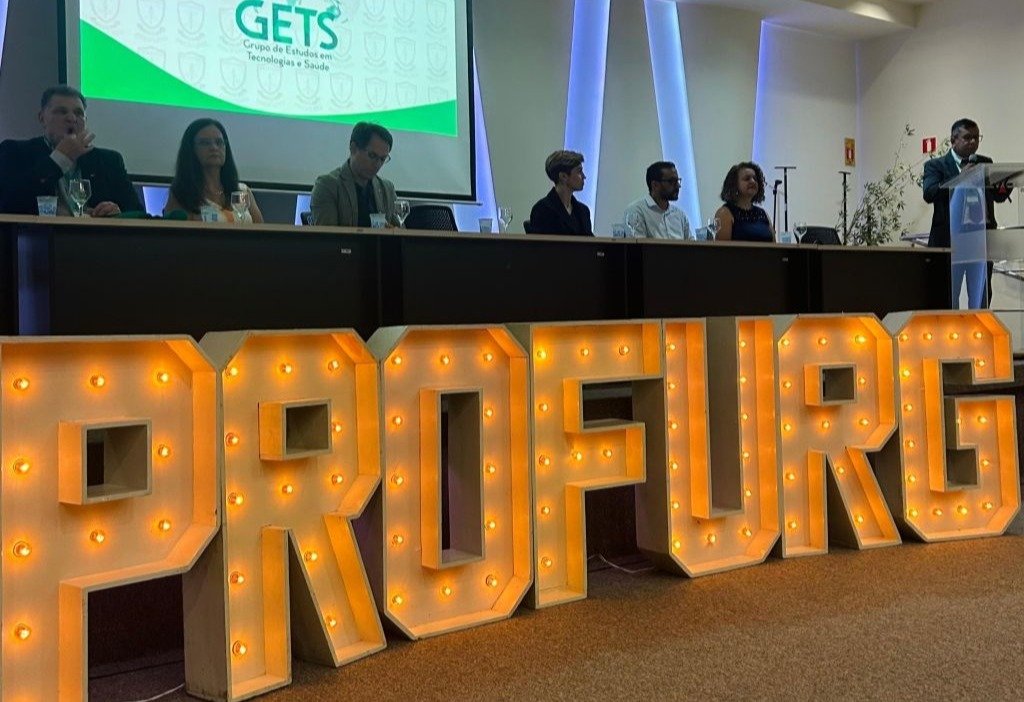
  • PROFURG - Mestrado Profissional em Urgência e Emergência (UEM)
  • CNPq - Diretório de Grupos de Pesquisa
07EVENTS

Upcoming events and activities

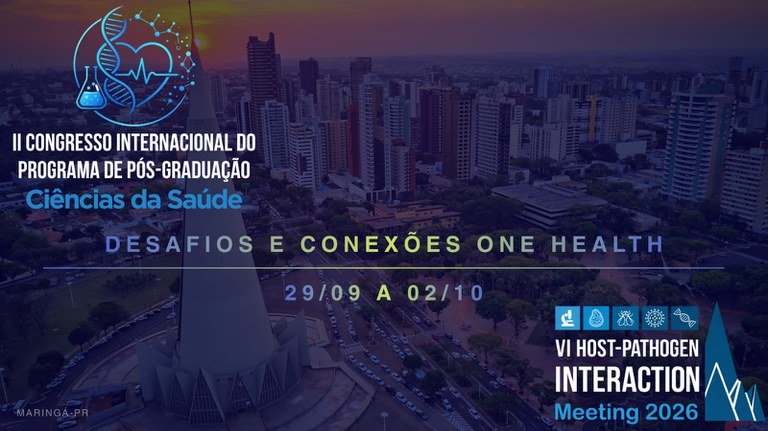
Join our workshops, short courses, seminars, and fieldwork. Stay up to date with the program!

08Instagram
Research community

Follow. Collaborate. Participate.

09CONTACT

Let's build solutions together

If you're interested in scientific collaboration, technology development, institutional projects, or health-innovation initiatives, get in touch with GETS.

Sending opens your email app to complete the message.

Office hours
Monday to Friday: 8:00 AM–5:00 PM